The Problem
Small businesses and startups need a professional website but usually can't justify the cost or timeline of fully custom development. The generic website-builder tools on the market solve the cost problem but not the fit problem - templates that look nothing like the business's industry, no local support, and no path to add the kind of multi-page functionality (a shop, a blog, a booking system) a real business eventually needs.
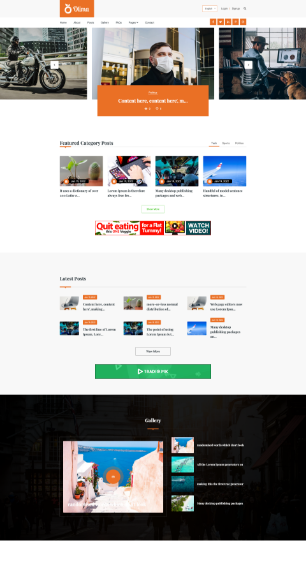
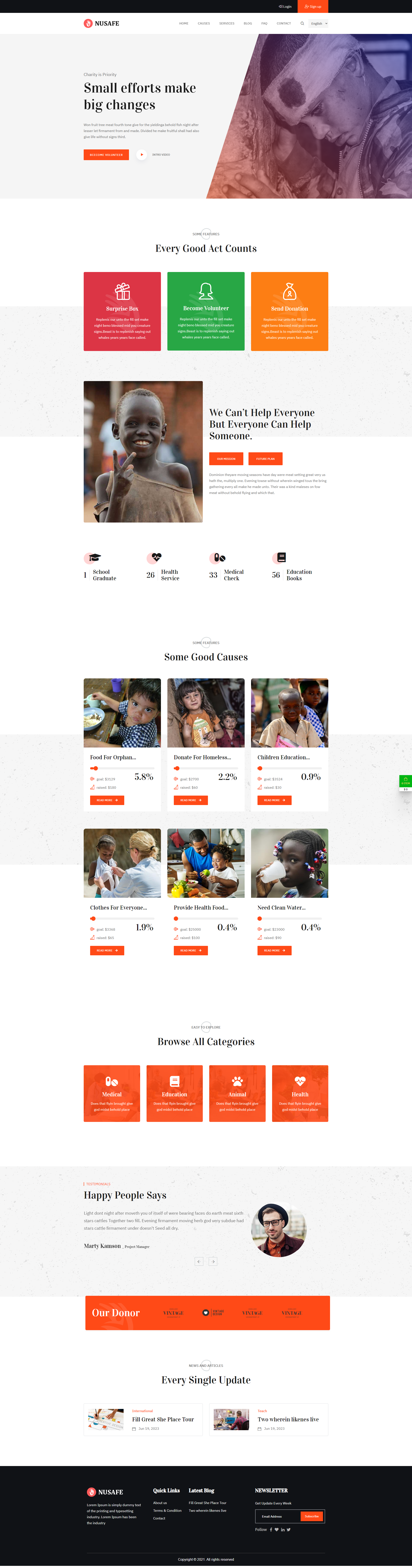
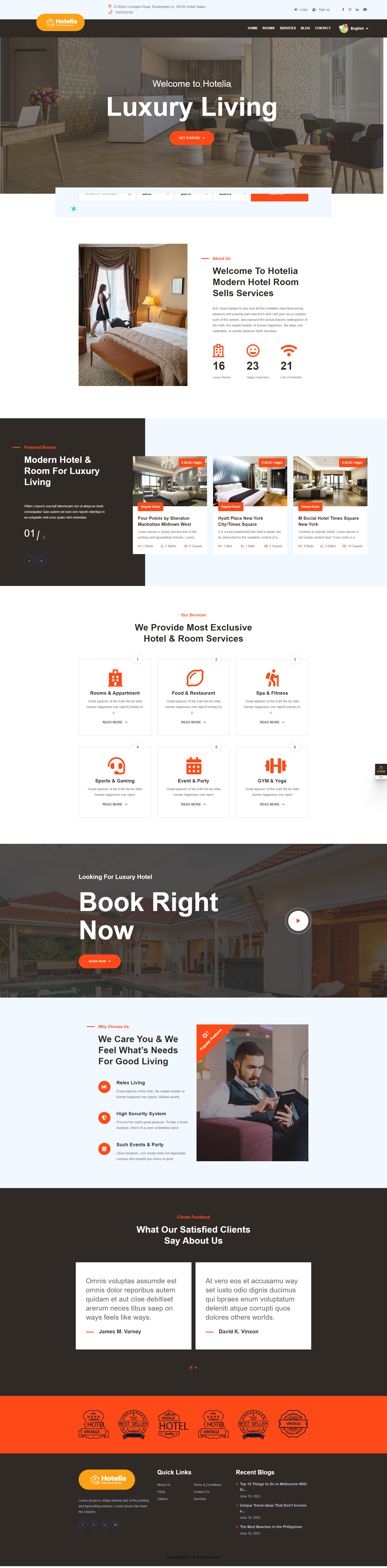
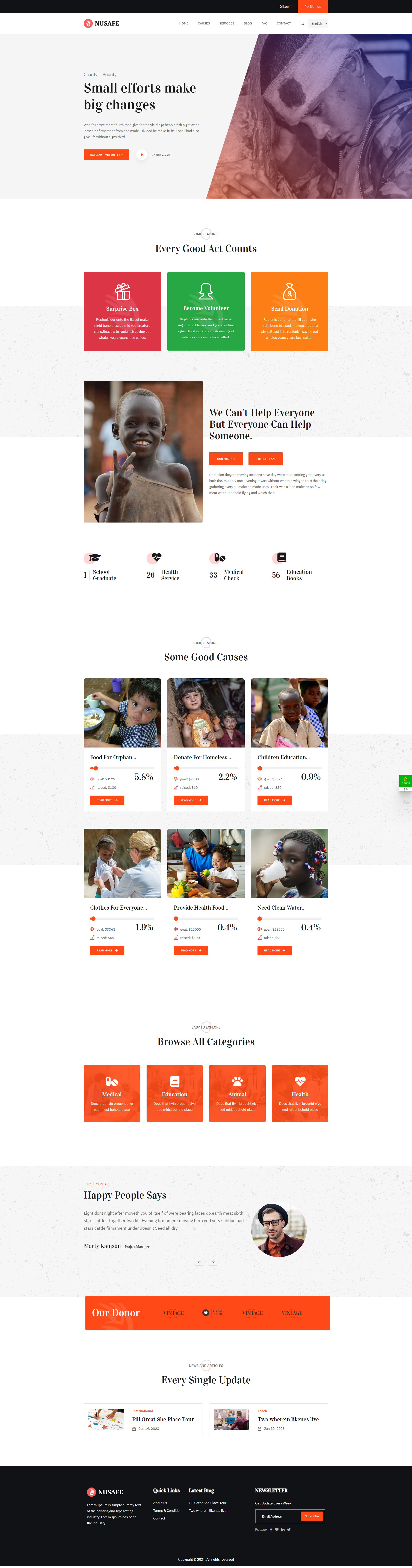
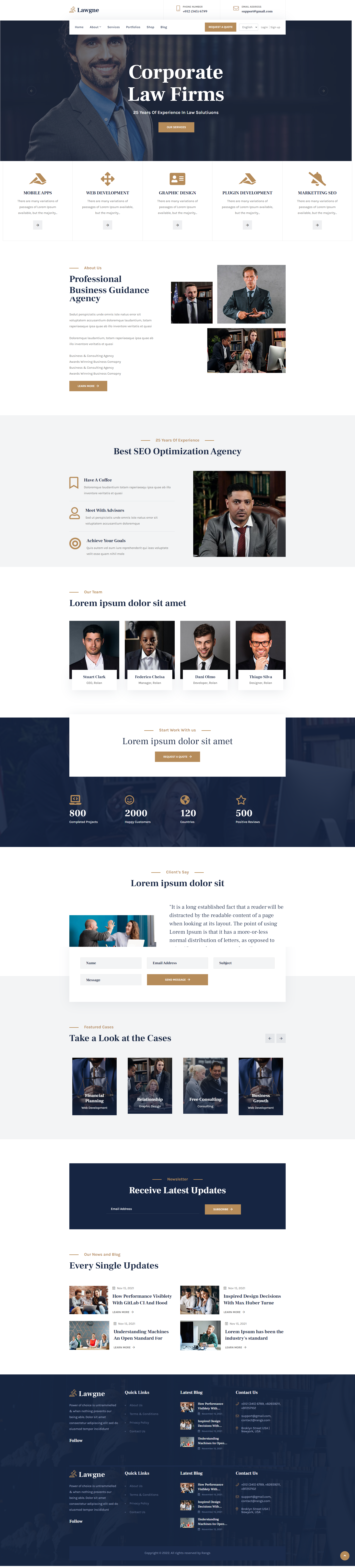
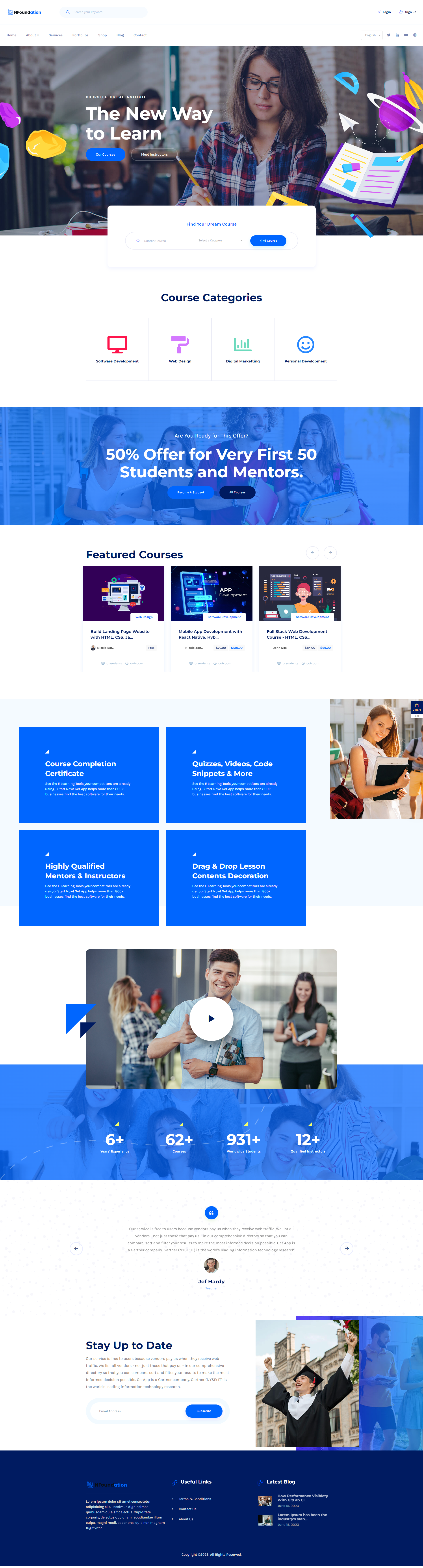
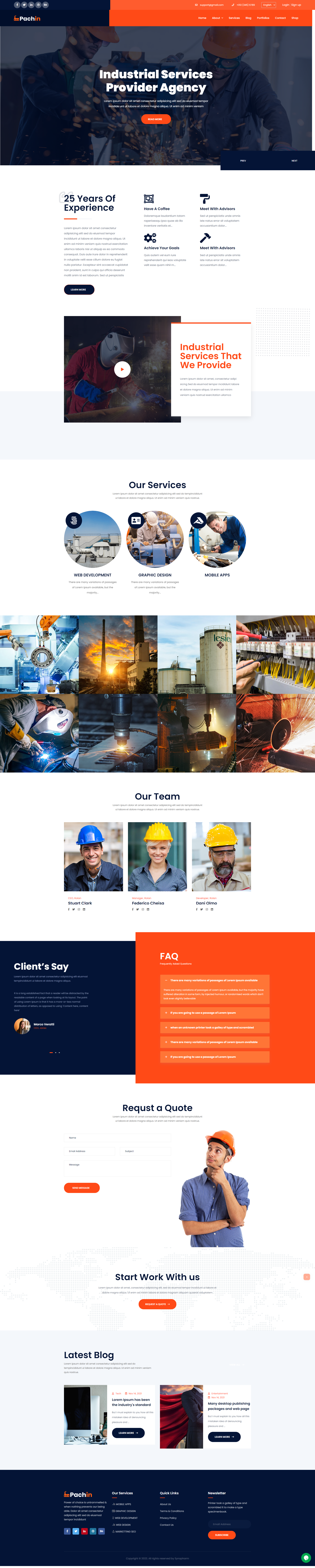
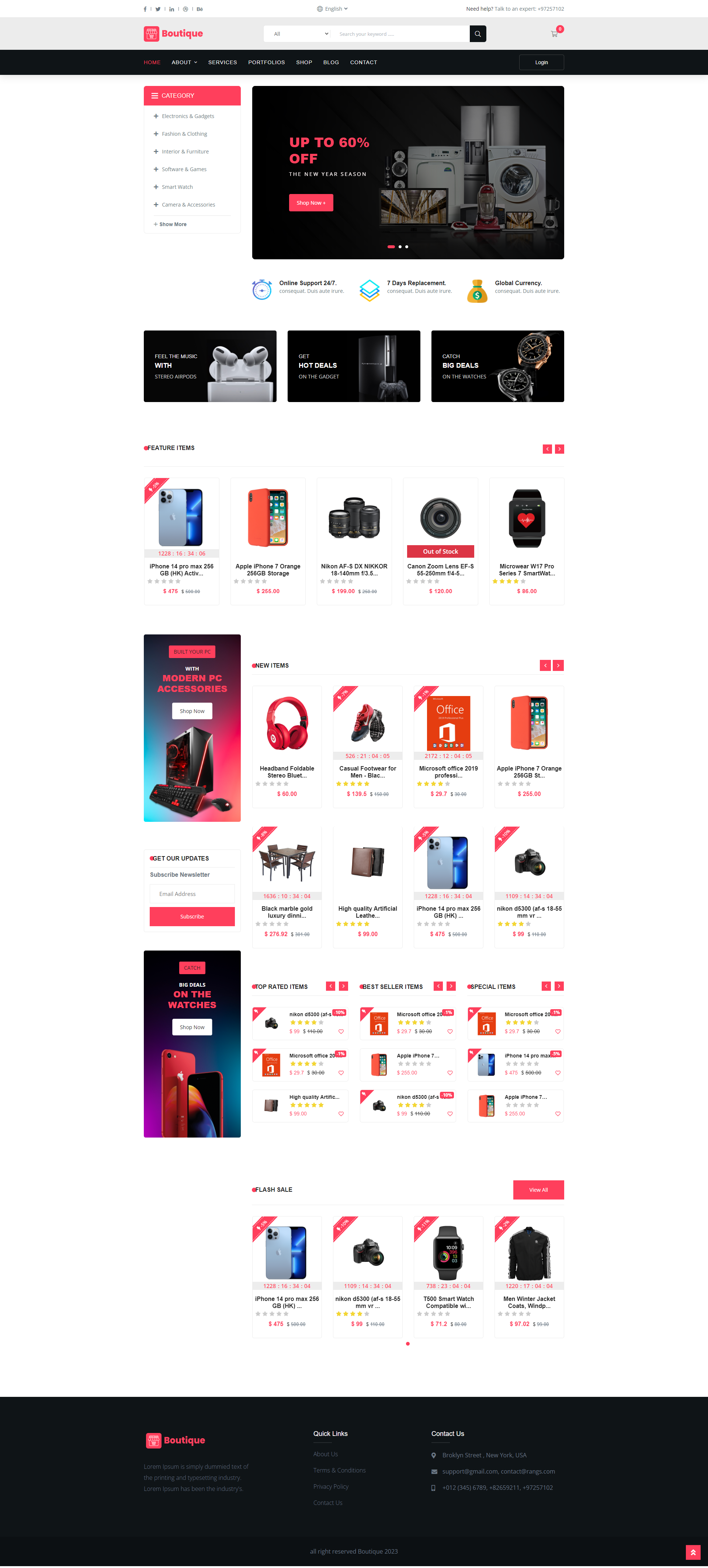
[SCREENSHOT: Template gallery showing industry-specific designs]The Solution
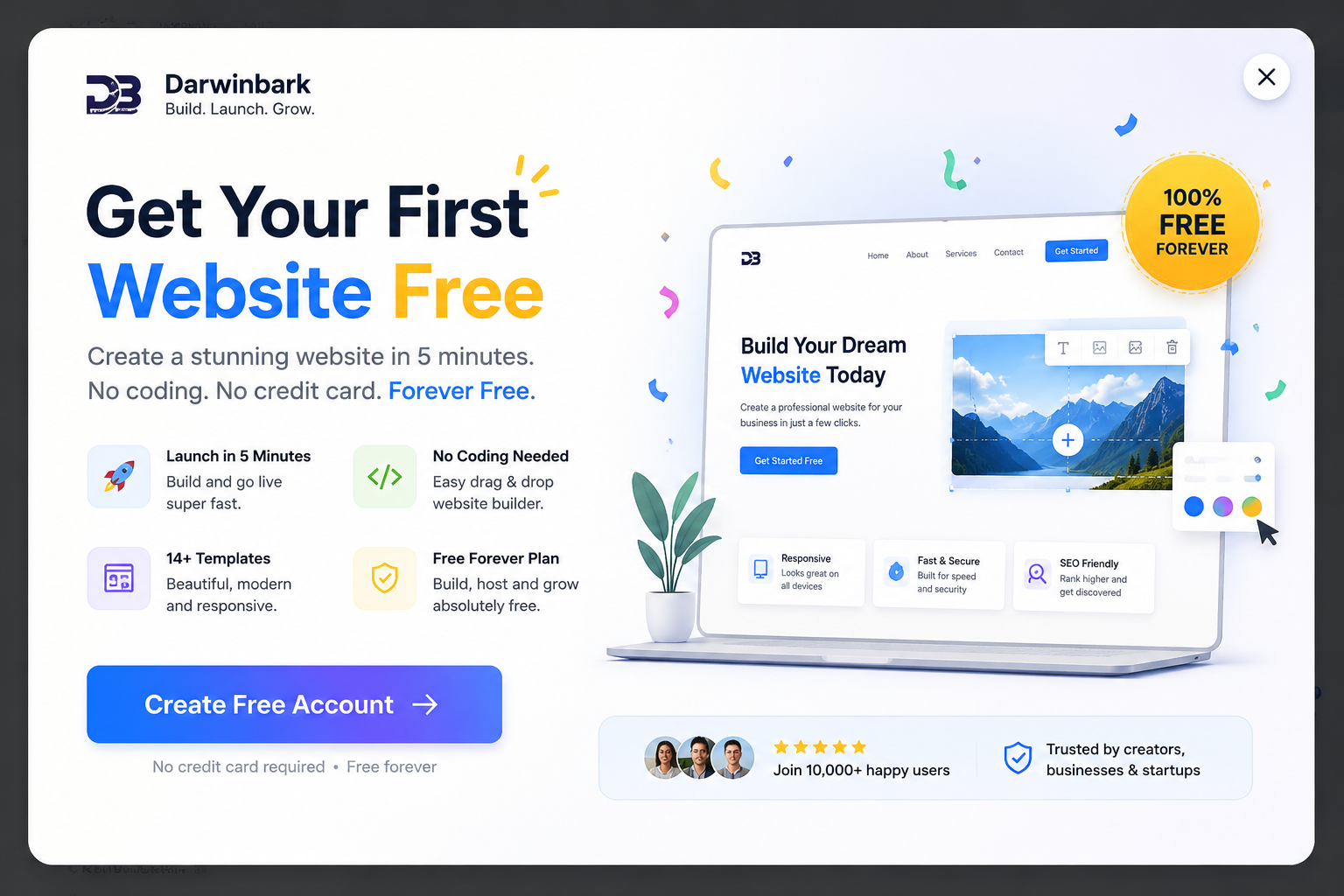
Darwinbark built its own template-based website builder as a SaaS product: a customer picks an industry-specific template, pays a one-time template fee plus a monthly subscription, and has a live, fully-functional website within minutes - not a generic single-page brochure site, but a real multi-page site with the modules their industry actually needs.
Architecture
The builder is structured around two core models: BuilderSite, which represents a customer's live website, and BuilderSection, which stores each section of that site as structured JSON content. A single public renderer reads a site's sections and outputs the page - meaning every template shares one rendering pipeline instead of each template being a separate hard-coded set of views.
On top of that, a package-gating layer (BuilderPackage::allows()) controls which editor tabs and modules a customer can access based on their subscription tier - so the same underlying builder serves customers on a basic plan and customers running a shop, blog, portfolio, gallery, jobs board, course platform, booking system, or campaign page, with the feature set scoped to what they're actually paying for.
Template previews link to a live, fully-navigable demo site (not a static screenshot or an in-memory fake render) so a prospective customer sees exactly what they'd be getting before they commit - the same demo infrastructure that powers the sales-facing template gallery.
Features
- 14+ professional, industry-specific templates (corporate, business, agency, IT, legal, e-commerce, hospitality, education, portfolio, blog, and more)
- One-time template fee + monthly subscription model
- Custom domain connection
- Multi-page modules: shop, blog, portfolio, gallery, jobs, courses, rooms, campaigns
- SEO settings per page (meta, title, canonical)
- Multi-language support
- Self-service dashboard for the customer to manage their own content, no developer required
Challenges Solved
One codebase, many industries. Instead of maintaining a separate template as a separate codebase, every template renders through the same BuilderSite/BuilderSection pipeline - new templates are new JSON content and theme styling, not new application code.
Letting customers see before they buy. Rather than a static preview image, every template's "Preview" is a real live site a prospective customer can click through - navigation, pages, and all - so there's no gap between what's demoed and what gets delivered after signup.
Feature gating without forking the codebase. Package tiers (which modules a customer can use) are enforced through a single gate check rather than shipping different code per plan, keeping the whole builder maintainable as one product instead of several plan-specific variants.
Result
Customers can launch a fully functional, multi-page business website in under 30 minutes with no technical skills required, at a fraction of the cost and timeline of custom development - while retaining the ability to grow into a shop, blog, or booking system as their business needs it.
[SCREENSHOT: Customer-facing site editor dashboard]Gallery